Do you ever feel worried that one overlooked detail in custom steel structure design could lead to endless project headaches, extra costs, or even damaged reputation?
The five challenges I see most often in custom steel structure design are: client needs and design mismatches, material and supply chain instability, compliance and standards conflicts, production schedule clashes, and the struggle to balance cost with quality. Each of these can slow down a project, but over time we’ve found solutions that really work.
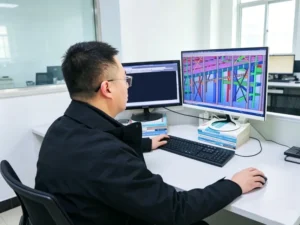
Every time we walk onto a new project, I know there will be moments of uncertainty. Large steel structure engineering in the industrial or petrochemical field is never straightforward. Things can change fast: client priorities, material supplies, even codes and regulations. I’ve found that naming and understanding these five challenges clearly is the first step—then we can tackle them using hard-learned lessons. I want to share the ways that have saved both my team and our clients stress, rework, and lost profit.
Why do customer needs and custom steel structure designs often clash?
Unclear communication and lack of real-world understanding often create a rift between what clients truly need and what the final structure delivers.
From our experience, simply relying on drawings and emails rarely works. Real success starts with everyone—designers, clients, engineers—sitting around the same table and laying out the real pain points and limitations. We like to hold what we call “requirements workshops,” where we encourage every project owner, engineer, and even operations staff to bring out their tough questions and future concerns. If possible, we do a walk around the site together and visualize the future building in its real space. Sometimes, we discover that clients haven’t considered expansion for the future or exposure to corrosive chemicals next door.
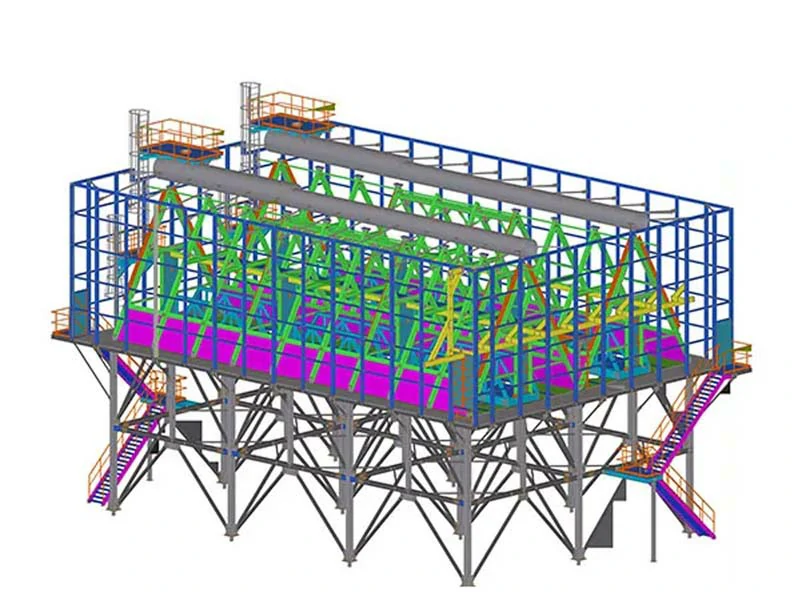
In one project, a client gave us beautiful plans, but on-site, we found the ground was full of hidden drainage pipes. Because we did that early field check, we discovered it before it became a costly surprise. Not all needs show up in a spreadsheet. Only when everyone talks openly and tests different scenarios do we get a design that reduces rework and delays. We also use digital models, sharing visualizations that let clients interact with their future building before a single bolt arrives.
Here’s how we make sure needs and designs align from day one:
| Challenge | What We Do Differently | Impact |
|---|---|---|
| Unclear client goals | Run on-site requirement workshops | Hidden constraints come to light |
| Future growth or site changes unknown | Ask about expansion and ‘what if’ scenarios | Designs are flexible for the long term |
| Design not matching reality | Use 3D digital models based on real site details | Errors get caught early, saving time and money |
It’s a little more time up front, but it prevents those all-too-common stories of last-minute redesigns or missed expectations.
How do material selection and supply chain issues impact steel structure projects?
Material supply surprises can stop even the best-planned project in its tracks—but advanced preparation and backup plans save us from that stress.
Material costs are always moving, and sometimes special steels are almost impossible to source on short notice. In our work, we’ve learned to avoid gambling on the market. We choose key materials and lock in prices with reliable, strategic suppliers early. But knowing the world doesn’t always cooperate, we prepare alternative material options with our engineering team right from the concept stage.
I remember a project where a rare type of stainless steel doubled in price within weeks due to an unexpected shortage. Because we had a similar grade pre-approved, we swapped and kept to the project schedule. This “plan B” approach, created through close talks with suppliers, means we avoid desperate last-minute changes.
Some may think material selection is simply about picking what performs best on paper. In reality, it’s about what is truly available when production begins—and if you can swap materials without major redesign. We always sit down with procurement and the core suppliers, review their real inventory, and run through possible bottlenecks in advance.
| Our Tactic | Why We Do It | What Clients Get Out of It |
|---|---|---|
| Long-term price contracts | Stabilizes cost even in volatile markets | Confidence that cost won’t suddenly balloon |
| Parallel design for alternates | Prepared for last-minute supply shocks | Production and site work keep moving |
| Early and honest supplier talks | Know true lead times and risks up front | Fewer unwelcome surprises on delivery day |
Advanced planning here is less about technical skill and more about relationship-building and honest conversations. Over the years, we found that success with materials is 80% preparation and only 20% luck.
Why do compliance and standards conflicts threaten steel projects more than you think?
Different rules—sometimes even within the same country—can make or break a project’s approvals. Staying ahead of these makes life much easier for everyone.
It’s common to see international and local standards differ, and unless we catch these early, expensive redrafts and long review meetings follow. Our answer is to ask for experience: we bring in design teams who have worked under the relevant codes, and we openly map out all applicable standards before the design gets underway.
We create a “standards table” comparing local requirements (like seismic or wind loads) with international ones. We ask certification bodies for the latest hot topics or recent changes, making sure nothing’s outdated. One practice that protects all sides is to require suppliers to draft a “compliance and standard explanation” alongside each design file. This single step heads off confusion and last-minute changes.
I remember when local wind load codes changed without warning. Because we had a regular feedback loop with code officials, we pivoted quickly and avoided costly retrofitting. Many teams don’t do this, hoping for the best. We found being proactive keeps control in our hands.
| Common Snag | What We Do to Stay Safe | What Makes the Difference |
|---|---|---|
| Unclear code requirements | Map out all standards in a clear table | No confusion about which rules are required |
| Missed code update | Regular talks with certifying agencies | Changes are caught before construction starts |
| Approval delays | Suppliers provide compliance notes | Speeds up and strengthens the review process |
When dealing with compliance, a little more work early on means a lot less “firefighting” later.
What are tips for managing delivery schedules when production conflicts arise?
Production delays can be nightmares but clear, factory-backed plans and modular thinking turn chaos into calm.
Not long ago, we walked into a project that was delayed by two months because the main fabrication shop over-promised on their delivery timeframe. To avoid this, we now insist on full visibility: suppliers must give us production schedules showing capacity week by week, including backup plans for urgent orders. We use modular designs and standardize as many pieces as possible, so that if part of the project lags, other segments can move ahead.
Smart production scheduling is about reserving factory time and keeping everyone honest. We prefer suppliers who invest in real-time scheduling systems, so it’s easy to check where every part stands. When necessary, we ask about emergency production lines or outsourcing options to handle last-minute spikes in demand.
| Our Scheduling Strategy | Makes it Possible to… | Meaning for Clients |
|---|---|---|
| Modular/standard component design | Fabricate parts in parallel, not series | Projects speed up, more flexible |
| Real-time production scheduling | See and adjust to factory conflicts | Fewer surprises, fewer excuses |
| Emergency capacity plans | Handle rush orders confidently | Unpredictable delays get absorbed |
We talk about scheduling upfront, never assuming things will “smooth out.” This has saved countless disputes and gotten more projects over the finish line on time.
How do you balance cost pressure with the demand for quality?
Going cheap upfront is tempting, but in steel structures, weak quality almost always bites back harder down the line. Careful, total cost analysis lets us spend wisely, not blindly.
Years ago, I watched a project that shaved 100,000offinitialcostsbybuyingthecheapeststeelandskippingsomeinspections.Threeyearslater,aftercorrosionandmisalignments,theownerspent100,000 off initial costs by buying the cheapest steel and skipping some inspections. Three years later, after corrosion and misalignments, the owner spent 500,000 on repairs and lost use of the building for months. That lesson stuck.
Now, for every quote or tender, we do a “life-cycle cost breakdown.” This means looking not just at price per ton now, but also expected maintenance, future replaceability, and what tight quality control adds in value. We also look for signs of supplier automation and strong quality loops—these matter more than a few cents of steel price. We don’t just trust claims; we ask for quality and testing reports, and sometimes visit the plant floor ourselves.
| How We Judge Cost and Quality | Why It Works | Result for Clients |
|---|---|---|
| Life-cycle cost analysis | Catches long-term risks | Best value, not just cheapest bid |
| Visit supplier sites, check systems | Verifies robust quality controls & automation | Lower odds of expensive surprises |
| Demand process and quality reports | Trust, but also verify | Clear accountability and proof |
We teach our procurement and engineering teams: a dollar wisely spent on quality today is ten dollars saved on site headaches tomorrow.
Conclusion
We can’t remove all risks from custom steel structure projects, but with open teamwork, detailed planning, and lessons learned from hundreds of builds, we’ve found that these five big challenges are manageable—and solving them early brings out the best in every project.