LNG and energy steel structures are demanding. If you make the wrong design choices, your project will face missed deadlines, sudden maintenance headaches, and budget overruns. After two decades in the industry, I have learned firsthand that the right approach from the start saves everyone trouble down the line.
The best way to optimize steel structure design for LNG and energy projects is to understand the real challenges—extreme loads, harsh environments, tight schedules, and strict safety standards. Use top-grade materials, advanced coatings, modular construction, and digital workflows. These steps guarantee safety, cost control, and smooth execution from start to finish.
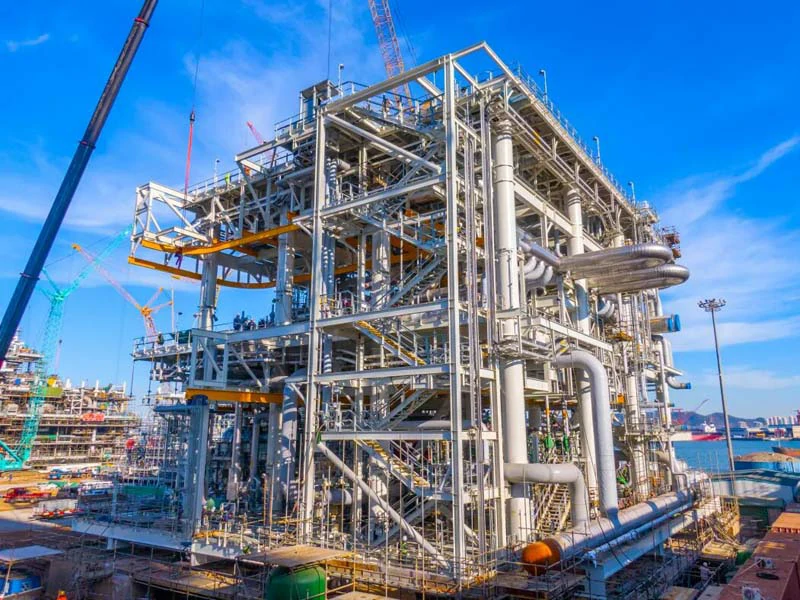
LNG and energy projects leave almost no room for error because everything is big, heavy, and highly regulated. I have walked through sites where missing a detail in fabrication meant hours of costly rework, and I have seen how overlooked corrosion can cause shutdowns years later. If you really want your investment to last, you must solve unique pain points and build with both strength and foresight.
What are the unique challenges in LNG and energy steel structure design?
LNG and energy projects present significant risks not found in other industries. Structures must bear extreme loads from tanks, racks, and equipment. These loads change with temperature, wind, and operations. Environmental factors—salty air, desert heat, heavy storms—cause fast corrosion and deformation.
Tight deadlines mean design, fabrication, logistics, and installation are closely linked. Getting any part wrong can cause heavy delay penalties and frustration. Compliance requirements are strict. Projects need to pass API, ASME, GB standards, plus dozens of audits by top oil and gas companies. If you do not think ahead, lifecycle costs balloon and maintenance demands grow.
From my experience, here are common pain points and solutions:
| Challenge | Impact | Solution |
|---|---|---|
| High Load-Bearing | Structural failure risk | High-strength steel, robust connections |
| Environmental stress | Corrosion, deformation | Quality coatings, proper material selection |
| Tight construction deadlines | Delay penalties | Modular design, prefabrication |
| Compliance & safety standards | Shutdowns, audit failures | Certified materials, thorough documentation |
We had a project in a coastal LNG terminal. Standard structural steel quickly rusted. After switching to a high-grade steel and applying advanced coatings, maintenance needs dropped almost to zero. Early mistakes often mean doubling the budget just to fix what should have been planned at the beginning.
How do material innovations and durability improvements optimize steel structure design?
Selecting the right materials sets the foundation for the entire project. We always use high-strength steels like Q420 or S355N because they perform well under heavy and changing loads. International certifications are essential. Many clients need global insurance and compliance, and using materials without these certifications can cause costly holdups.
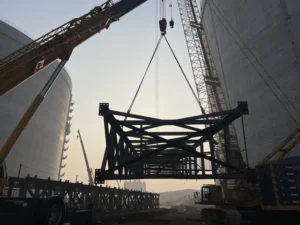
For durability, advanced coatings make the difference. A combination of thermal-sprayed zinc and multi-layer fluorocarbon coatings gives over 20 years of protection. We learned this lesson in our earlier days, seeing regular maintenance interrupt operations. Now, routine repairs are rare and shutdowns for corrosion are almost eliminated.
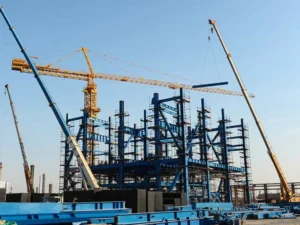
Prefabricated modular construction speeds up timelines and reduces errors onsite. We involve clients early in the FEED stage, because understanding their site limits and shipping restrictions is key. By building modules in the factory, quality improves and installation runs smoothly.
A summary of how material choices impact results:
| Material Optimization | Benefit |
|---|---|
| High-strength steel | Load-bearing, seismic resistance |
| Certified materials | Global compliance, faster audits |
| Innovative coatings | Corrosion resistance, long life |
| Modular prefabrication | Shorter schedules, less rework |
On one large energy project, switching to modular prefabrication cut our schedule by a third. The client was thrilled—no delays, no costly surprises. Those wins come from careful planning that starts with strong material choices.
Why is connection design and seismic resilience critical for LNG and energy steel structures?
Joints and connections are where most failures begin. Over the years, I have seen projects suffer from weak reinforcement plates, cheap bolts, and poor welds. These mistakes may not show up on day one. By year four or five, failures and downtime hit hard.
We focus on getting the thickness of reinforcement plates right, specifying high-grade bolts, and ensuring strong weld calculations. In seismic areas, energy-dissipating damping connectors absorb shocks and prevent fatigue cracks. Every detail in these nodes matters because they carry the heaviest forces.
When reviewing specifications from suppliers, we have found many try to cut corners to keep costs low. Owners often learn later that these shortcuts double maintenance costs or cause unexpected shutdowns.
Here’s what we pay close attention to:
| Connection Factor | Risk if Ignored | Our Solution |
|---|---|---|
| Plate thickness | Early failure, rework | Careful specs, expert review |
| Bolt grade | Safety hazard, shutdown | Certified suppliers, QC checks |
| Weld calculation | Weak joints, audits failed | Digital modeling, experienced team |
| Seismic connectors | Cracks, fatigue | Energy-dissipating, certified |
Our care in connection design saved an LNG project from costly downtime after an earthquake—while nearby competitors had to rebuild. These steps are invisible to outsiders, but they create value owners notice years later.
How does digital design and smart manufacturing improve project outcomes in LNG and energy sectors?
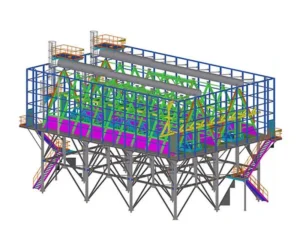
Digital tools like Tekla Structures and BIM have transformed steel structure design. We coordinate every bolt and weld in the model, catch errors before fabrication, and use digital factory records for quality and traceability. Results speak for themselves—clash detection drops errors by 75%, and per-ton costs shrink by at least 2%.
Everyone on the team—civil, mechanical, electrical—works together in BIM to resolve conflicts before anything goes to the shop. Transparency is key. Clients see BIM-driven visualizations and understand project scheduling and cost savings up front. Owners love this because they see constructability before committing to the build.
Digital delivery means fewer delays and safer projects. We have used it to mock up designs for audit reviews, resolve issues quickly, and keep work on track. When we show clients these visual workflows, confidence grows and deals close faster.
Here’s how digital optimization changes outcomes:
| Digital Workflow | Impact |
|---|---|
| BIM clash detection | Fewer errors, smooth approval |
| Factory records | Traceable quality, fast audits |
| Smart scheduling | On-time delivery, less overtime |
| Visual presentations | Client trust, win rate boost |
In one CNPC project, digital workflows cut change orders by half and saved thousands in overtime. These tools are not just selling points—they are proven ways to finish projects ahead of schedule and above standard.
What do owners really care about, and how can you win the deal?
Owners want steel structures that stand the test of time. They care about lifecycle costs, safety, on-time commissioning, and traceable quality. The way to win is to prove reliability, offer case studies, and show BIM-driven cost savings.
We always share real numbers from past projects and give owners a way to visualize how our design will help them get the best return on investment. For example, in one energy project, our optimized design dropped field rework to 0.7%—beating the industry average by a wide margin.
Proving lifecycle cost control, audit-ready quality, and fast commissioning paves the way for strong partnerships. Owners want to see genuine expertise and a track record that backs up every promise.
Owner concerns and how we address them:
| Owner Concern | Our Approach |
|---|---|
| Lifecycle cost | Optimized modular design, proven case studies |
| Safety | Certified QC, digital audits |
| Fast commissioning | Factory prefab, tested schedules |
| Reliable execution | Experienced project leaders, real metrics |
| Traceable quality | Digital delivery, QA documentation |
The most important lesson I have learned: never just sell steel. Sell value, reliability, and lifecycle ROI. When you help owners solve their problems, the projects—and relationships—stand strong for decades.
Conclusion
Optimizing steel structure design for LNG and energy projects takes high-performance materials, thoughtful connection details, digital tools, and a focus on lifecycle needs. Success starts with experience and ends with lasting value.