Mistakes in steel fabrication projects pile up quickly, leading to cost blowouts and eroded client trust. We all want successful projects, but the reality is that solid systems—not last-minute fixes—truly prevent delays and failures.
Managing large steel fabrication projects means orchestrating everything from raw material procurement, engineering design, production planning, quality assurance, to logistics and final installation. If each stage is handled with care and foresight, things stay on track—and clients stay happy.
When I started in steel fabrication, I saw firsthand how a small misstep can snowball. Maybe a material batch isn’t right, or a drawing doesn’t fit transport specs. A single issue can cause a cascade of delays and extra costs. Now, after years of working with EPC contractors and seeing the stress procurement managers endure, I’m convinced success comes from building robust, reliable systems. Let’s explore the lessons I’ve learned—and how they apply to your projects.
Raw Material Procurement: The Hidden Cost Trap?
Cheap raw materials might be tempting, but they often lead to bigger problems. How can we make sure our project isn’t derailed by risky suppliers or substandard steel?
We always start by defining the exact requirements for steel grades, tolerances, and surface quality—no generalities. One of our biggest headaches has been unexpected chemical variations in supposedly “standard” steel. Early in my career, we learned to negotiate with mills for clear specs and timeline commitments. It turned out, paying a little extra—5% on average—saved us 20% in downstream costs from interrupted production and last-minute re-sourcing.
We never rely on a single supplier. Instead, we create a shortlist using supplier audits, industry recommendations, digital reviews, and even direct visits. Before accepting any delivery, our quality team performs detailed incoming inspections. If a batch fails—sometimes it does—we have backup options and can switch quickly. It’s not just about price; it’s about consistency and risk mitigation.
Here’s how we approach procurement for a large project:
| Step | Action | Reason |
|---|---|---|
| Define specs | Specify grade, surface, etc. | Avoid unknowns and costly fixes |
| Pre-qualify suppliers | Audit and shortlist | Reduce risk of delays or subpar material |
| Negotiate contract | Clear timelines and terms | Prevent surprises and set expectations |
| Inspect materials | Run checks on arrival | Catch flaws before production starts |
| Maintain backups | Multiple suppliers ready | Respond fast when problems occur |
Even when clients push for the lowest price, we remind them what hidden risks look like. Most appreciate the honesty—especially after seeing how painful delays can be.
Design: Beyond Structural Safety?
Is design just about strong steel? Or is there more to it—like manufacturability or logistics—that can make or break a project?
We learned that engineering design must go far beyond structural strength. Every time, we check if the parts can actually be manufactured using our machines, transported by truck, and assembled on site without headaches. On one project, complicated weld joints in the drawings looked fine on a computer, but slowed down shop production and caused costly errors in the field.
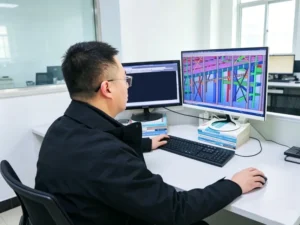
Now, we always include our fabrication experts and logistics managers early. Their input shapes shop drawings and checks for assembly details that save us trouble later. We use BIM to simulate how everything fits together—from raw steel to finished building. We double-check sizes against lifting and shipping constraints, knowing that fixing these at the site is expensive and risky.
A practical example: last year, we caught a flaw in beam length during the BIM review. Changing the design in advance cut transportation costs and kept installation smooth. Clients noticed the attention to detail, and it helped build trust.
Here’s how we optimize designs:
| Checkpoint | What We Assess |
|---|---|
| Manufacturability | Is the steel easy to cut, weld, assemble? |
| Transportability | Does it fit trucks, cranes, and routes? |
| Site Assembly | Are joints simple and safe for install? |
| Maintenance | Will access be easy in the future? |
We don’t stop at “strong enough.” We ask: “Does this design make sense for the shop, road, and site?”
Production Planning: The ‘Cluster’ Advantage?
How can we keep production efficient and prevent costly stop-and-start cycles?
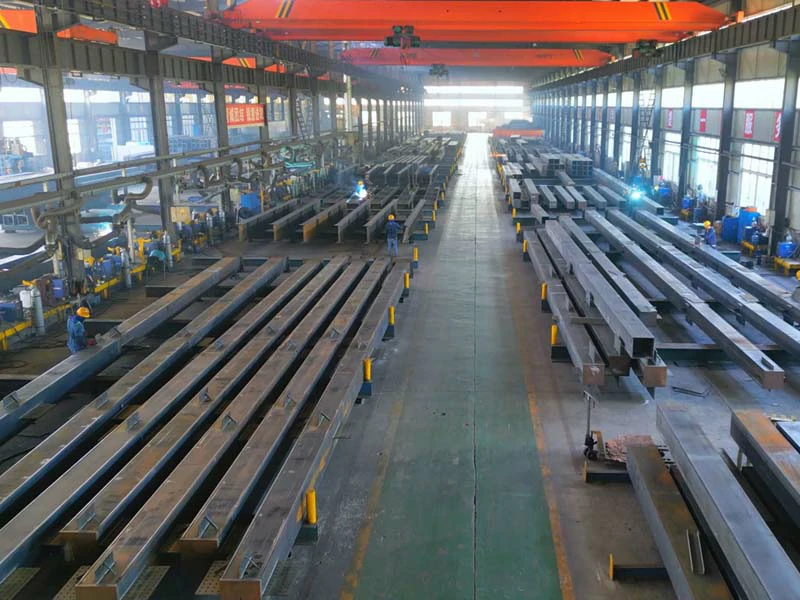
For large projects, we dedicate part of our factory floor to a single client’s job. This “cluster” approach—machines, people, storage—keeps workflows simple. It helps our teams focus, reducing mistakes and speeding up output. Early on, we used to juggle multiple projects in the same area. The result? Frequent changeovers, lost tools, and confusion. After switching to dedicated clustering, our error rate dropped and efficiency soared.
Digital tracking systems are key. We connect our planning, production, and logistics teams in one platform. Everyone can see updates and track bottlenecks in real time. Daily meetings—short and direct—bring all stakeholders together. We share feedback, solve issues, and set clear daily targets.
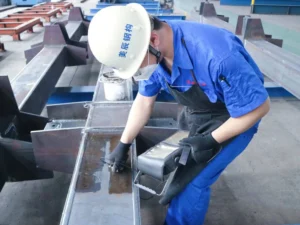
We make sure our QA team is part of the cluster so it’s easy for them to check quality as things progress. This limits defects and boosts consistency.
Our production cluster system looks like this:
| Cluster Component | What’s Included | Benefit |
|---|---|---|
| Dedicated floor space | One area, one project | Focus, less confusion |
| Assigned team | Specific crew, QA, logistics | Accountability and teamwork |
| Machines/tools | No sharing during cluster | Prevents mix-ups |
| Digital tracking | ERP/MES systems | Real-time visibility |
| Morning meetings | Brief, all-team huddles | Keeps everyone on track |
Clients appreciate seeing their project get “special status.” For us, it’s peace of mind and better results.
Quality Assurance & Testing: No Room for Surprises?
Is a supplier certificate enough to guarantee quality? What extra steps assure reliability?
Supplier certificates are only a starting point. We saw that trusting them alone can let hidden flaws slip through. Instead, we build a unique QA routine for each major project. Non-destructive testing is a baseline—using ultrasonic, magnetic, or X-ray checks for welds and structural parts. Material traceability is key. Each piece gets a digital record from mill to factory to installation. This makes disputes much easier to resolve.
Our QA teams do spot inspections, and we bring in third-party testing for critical components—especially those under heavy load or requiring high safety. Clients are invited to join inspections, which fosters transparency and trust. In one memorable project, the client found a design misalignment during a site inspection. We caught it in our records, fixed it early, and avoided legal headaches.
Our quality system includes:
| QA Activity | Purpose |
|---|---|
| Incoming inspections | Catch defects at the start |
| NDT testing | Find invisible weld/material flaws |
| Third-party checks | Validate critical specs independently |
| Digital records | Track each piece from order to install |
| Client involvement | Build trust and transparency |
No surprises—that’s our goal. The more records and tests we have, the easier it is to solve problems quickly.
Logistics & Delivery: The ‘Just-in-Time’ Balance?
What’s the secret to keeping steel deliveries smooth, cost-effective, and free of chaos?
Transporting large, heavy steel structures is a tough job. Early on, we ignored detailed planning and faced expensive storage fees when site schedules shifted. Now, we work with logistics teams from the very beginning. We prefabricate steel sections for easier transport, plan routes, and check delivery timing against installation milestones—not just production output.
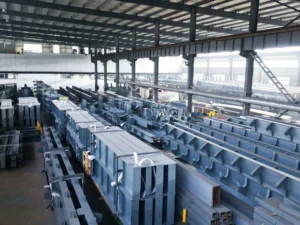
We use GPS tracking for visibility and send digital delivery receipts right away. It keeps us informed, accountable, and ready to adjust if trucks are delayed. Site teams know exactly when materials arrive, which helps them prepare for lifts or assembly work. We learned to simulate delivery schedules ahead of time, so there’s always a backup plan.
Our logistics plan includes:
| Step | What We Do |
|---|---|
| Prefabricate sections | Make parts that are easy to ship and install |
| Early partner involvement | Logistics joins planning from day one |
| Milestone-based scheduling | Link delivery with site readiness |
| GPS tracking | Monitor progress and solve issues fast |
| Digital receipts | Instant proof and accountability |
Clients enjoy smooth deliveries and fewer delays. It directly protects their project revenue.
Key Pain Points for B2B Clients (And How to Solve Them)?
What are the main challenges EPC procurement managers face, and how do our systems help?
Delays, quality discrepancies, supply disruptions, and installation challenges are a daily reality. Tight schedules mean problems have outsized impact on profit. We use project management tools to track and share progress, run weekly progress meetings, and keep communication simple and fast.
Our strict QA routines, open client inspections, and digital documentation keep everyone informed. We audit suppliers, maintain buffer stock, and always have alternative sources ready. On design, we prioritize assembly and site requirements so installation goes smoothly. When conflicts appear, clear records and direct contact speed up resolution.
To solve pain points, we use:
| Client Pain Point | How We Address It |
|---|---|
| Unexpected delays | Project tracking and regular meetings |
| Quality gaps | Robust QA/QC and transparent docs |
| Supply chain risks | Diversified sourcing and buffers |
| Installation troubles | Design for site, open communication |
These processes help us become reliable partners, earn trust, and support our clients under pressure.
Final Thoughts & Secret Sauce
Success in steel projects is never about patching leaks after problems start. It’s always about building strong systems—from procurement to delivery—that prevent issues and deliver reliability and control. That’s the real difference in working with experienced teams.