Quality control problems in steel structure fabrication don’t just cause headaches—they derail entire projects. I’ve seen even the most experienced EPC contractors caught off guard when a single weak point in QC triggered weeks of delays, contract penalties, and rework bills nobody saw coming. So how do we avoid common pitfalls and ensure our steel projects finish strong?
Quality control in steel structure fabrication is not just about “inspection” at the end. It’s about active involvement from the first purchase order to the very last acceptance check. If we can recognize that—from tracing steel batches, to overseeing skilled welders, to demanding thorough reports at every phase—we’ll eliminate surprises and sleep far better at night.
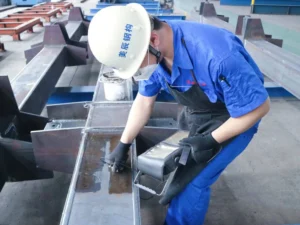
Ignoring even one layer of quality control creates risks that multiply fast: jobsite hiccups, angry clients, and unexpected costs. Over my career, I’ve learned that the best time to fix problems is before they ever show up. Let’s walk through each critical area I focus on, so you can adopt the habits of high-performing EPCs and consistently deliver what you promised.
Quality Control Is More Than Inspection—It’s Proactive Management
I laugh when people say quality control only matters “after production.” It’s like double-checking a recipe once the food is burned. Real quality starts at the door, before the first cut, and ends way after the last bolt is tightened.
Our approach now always begins long before fabrication. We insist our fabricators share their ISO 9001 certificates and show us logs from past jobs. But beyond that, we walk the plant floor. We spot-check how material identity is tracked at every point—labels, color codes, digital tags. If these procedures are patchy or the documents look like they’re thrown together last minute, we know we’re at risk.
Here’s a practical snapshot of what a robust QC process looks like in daily practice:
| Phase | Must-Have Actions | “Red Flag” Signs |
|---|---|---|
| Material Procurement | Material certificates matched to PO, stored systematically, traceable to every piece | Missing or mismatched certs |
| In-Process Fabrication | Daily process logs, regular spot checks by QC staff, clear rework tracking | Unmarked product piles |
| Pre-Shipment Inspection | Comprehensive records, third-party witness welcome, open factory visits at any time | Supplier avoids unscheduled visits |
| Post-Delivery Acceptance | As-built records, full documentation, transparent handover files | Unexplained gaps in paperwork |
I learned the value of this firsthand. A few years ago, we had a supplier eager to ship without a single pre-shipment check. We held the shipment for review, found three dimensional errors, and fixed them in the shop instead of redoing everything on-site. Since then, we’ve always demanded proactive QC, not just reactive “checks.”
Material Traceability—The Hidden Key to Compliance?
Think of material traceability as an insurance policy for your entire project. Lose one document, and you’re risking compliance failures that might halt everything. Major clients—the kind we all want—will walk the floor, asking to see a line of paperwork that connects steel in the project back to the mill.
Our team only works with fabricators who use digital traceability systems. Here’s how it works for us:
- Each steel profile comes in with a mill certificate, heat number, and batch info, all digitally logged the moment it leaves the truck.
- As the steel is processed, every piece keeps a physical mark or tag that makes it impossible to “lose” its identity.
- If a weld fails inspection, we know exactly which batch it came from, and we can check other pieces from the same batch before more problems happen.
There is no shortcut here. Years ago, we worked on a refinery project where the batch records were incomplete. The client called for an audit. Production stopped cold for two days while everyone scrambled to match the steel to the paperwork. That single miss nearly cost us the contract. We’ve been paper-trail (and digital-trail) fanatics ever since.
Here’s an example checklist from our last project audit:
| Item | Description | How We Verified |
|---|---|---|
| Material Cert Review | Check all mill certificates | Cross-check with project specs |
| Heat Number Matching | Compare physical tags with digital log | Spot-check random samples |
| Process Tracking | Review movement logs through shop | Walked plant, followed a sample |
| Final QC Correlation | Ensure no mix-ups in deliveries | Opened documentation for client |
Trust me, being able to quickly pull up these records is a lifesaver in high-pressure audits.
Welding Quality—Where Projects Are Won or Lost?
Welding issues are probably the most expensive and visible problems you can have on a steel structure project. I’ll say directly: if you do not control welding quality, you’re inviting trouble to your jobsite.
We never start production until we see the welder qualification protocols matched to each process and material in our project. How do we check they’re really doing it? We require:
- Certified welder lists, staff photos, and qualification expiry dates.
- Random spot shadowing by our own QC or third-party inspector (nothing replaces a human being watching).
- Real-time weld logs that detail date, operator, process, and even weather if relevant.
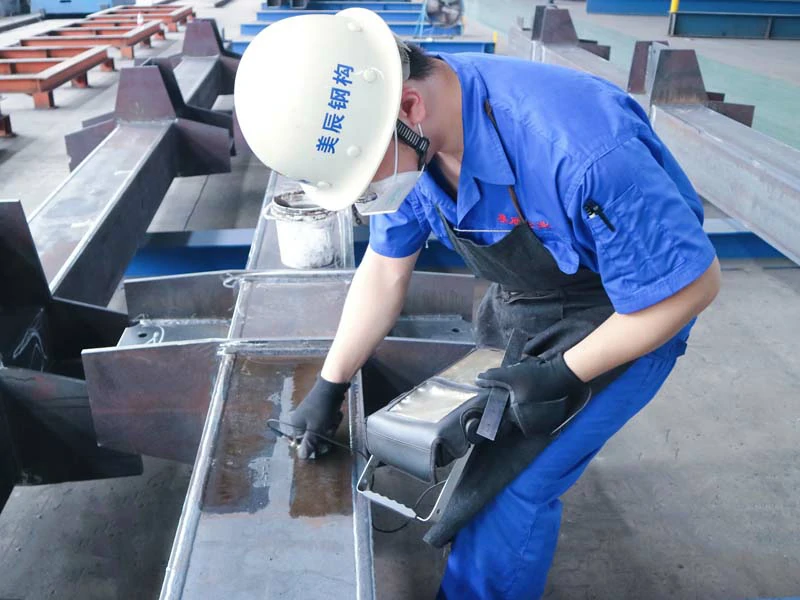
Non-destructive testing (NDT) is not negotiable for critical welds, especially for structures under high stress or seismic risk. Where we used to test only 10-20% of welds, now we ask for 100% on key connections, particularly in vital load paths or aggressive environments.
Here’s how we structure our weld quality audits:
| Audit Step | Purpose | What We Found Works |
|---|---|---|
| Review Qualifications | Confirm proper skills for all welders | Visual review of certificates |
| Witness Sample Joints | See welding live before batch work starts | Sample mock-ups, not just tests |
| Inspect All NDT Reports | Match NDT logs with weld locations | Color code plans for clarity |
| Require Weld Trace Logs | Know who welded which joint and when | Barcoded logs or RFID systems |
One project taught me how serious this is: a client required all weld trace data for a failure investigation. The supplier could not provide the NDT records, and we took the blame. We haven’t missed a record since.
Dimensional Control—Avoiding Costly Site Rework?
If the steel isn’t the right size or shape, no amount of site skill will fix it quickly. I still remember when awkward, manual measurements cost us precious time. Now, we work with fabricators who have laser measurement stations, automated fit-up jigs, and digital reporting.
What does this look like in practice? On every project, we:
- Require pre-weld checks using calibrated steel tapes and laser tools.
- Demand fit-up stations for repeating parts, so cumulative errors never sneak in.
- Ask for sample scan reports that match as-built to design tolerances.
- Bring in third-party checks for complex nodes or heavy sections.
Here’s the kind of table we use to track dimensional control:
| Inspection Point | Tools Used | Acceptance Tolerance | Typical Issues Caught |
|---|---|---|---|
| Raw Material Cut | Laser or CNC tape | ±2mm | Over/undersized from blade |
| Fit-Up of Assemblies | Laser scanner, jigs | ±1mm / project specs | WarPING during weld prep |
| Finished Assembly | 3D scan vs. CAD model | ±1-2mm across assembly | Cumulative alignment issues |
| Site-Erection Fitting | Template checks | ±2mm | Long-run mismatch |
Believe me, I’ve paid in lost time for errors found only after steel left the shop. Now we witness key measurements and make sure the fabricator’s technology matches our job’s standards. Good measurement up front means smooth, fast assembly later.
Surface Treatment & Coating—Not Just Cosmetic Matters?
We’ve all seen what happens when surface treatments are “good enough”—the steel rusts fast, paint peels, clients call for claims, and your team spends weekends field-repairing bad product.
In our work, we insist on knowing precisely:
- Which coating brands are used, and whether they’re certified for marine or chemical environments.
- That steel is blast-cleaned to Sa 2.5 as a baseline, and the shop can measure surface profile.
- That after each coat, the dry film thickness (DFT) is checked using digital gauges, with results logged for every batch.
- That the supplier provides salt spray test data for each paint system used.
We always ask for sample panels before mass jobs, because I’ve seen manufacturers try to save money by “thin spraying”—which may look good for two weeks and then start to break down.
We typically manage coating QC as follows:
| Stage | What We Check | How We Confirm |
|---|---|---|
| Surface Preparation | Visual + profile sample | Replica tape, profile gauge |
| Application | Correct process, DFT for each coat | Digital DFT meter, batch record |
| QC Testing | Salt spray test (as needed) | Third-party lab report |
| Final Acceptance | Cross-cut and adhesion test, color | Record photograph and sample |
After repairing a corroded handrail system less than a year after installation, I realized we’d been too trusting. Ever since, our contracts specify DFT and sample tests as non-negotiables—a small price for long-term reliability.
Factory Acceptance Tests (FATs)—Your Opportunity for Early Detection?
I’ve seen many projects skip FATs to save time, but the truth is, catching errors in the shop is ten times cheaper and faster than patching in the field. We schedule FATs for critical assemblies or when trying a new supplier.
Here’s how we run effective FATs with our partners:
- Assemble complex connections in the shop while the whole team—us, client, QC manager—watches and checks.
- Use the actual bolts, plates, and erection tools planned for the site.
- Review every file: material certs, weld logs, NDT, dimensional reports, and coating test results.
- Document every snag found, fix it in the factory, and share a final punch list before packing.
On a large petrochemical plant job, the FAT spotted a bolt misalignment that would have left half the steel reworked on-site. Instead, we solved it in hours, not days, in a well-lit, controlled shop—with everyone accountable.
By making FATs part of our regular process, we set a tone—errors caught early are expected, not shameful, and every team member knows we stand behind the finished work.
Conclusion
Quality control in steel structure fabrication is the heart of what turns a risky project into a reliable one. It’s not about paperwork—it’s about trust, transparency, and learning from every job. When you take it seriously from the beginning, you build certainty, protect your team, and gain the respect of clients who want to work with you again and again.