Are you risking your next petrochemical project by choosing the wrong steel structure manufacturer? Many companies unintentionally overlook key details that can lead to major delays, safety problems, and unexpected costs.
To choose the best steel structure manufacturer for petrochemical projects, we always check their certifications, their experience with similar projects, their ability to provide full-service support, their quality control systems, their after-sales service, and their safety records. This approach has helped us avoid costly mistakes and build strong, reliable partnerships.
Picking the wrong supplier can unravel your project plans. I’ve watched schedules slip months, seen welds fail under pressure, and witnessed plant safety brought into question—all because a few critical checks were missed or ignored. Our industry doesn’t forgive shortcuts. That’s why I want to share what we’ve learned, so you can get it right the first time.
Certification and Compliance: Why ‘Standard’ Isn’t Enough
Are basic certificates like ISO 9001 enough for your petrochemical steelwork?
They aren’t. For petrochemical environments, we look for manufacturer certifications that go beyond the basics. This means requiring ASME, EN1090, AWS D1.1, API, and checking if they have worked in hazardous environments before. We insist on seeing individual credentials for welders and quality inspectors—certifications like CSWIP or AWS-CWI.
We’ve made mistakes in the past by focusing only on the company-level certifications. Once, a supplier in Southeast Asia had ISO documents but couldn’t deliver proper welding in an explosive zone. The repair work cost us hundreds of thousands and delayed the project by weeks. Since then, our policy is clear: we not only check the paperwork, we ask to see real evidence—like a list of completed projects in hazardous zones and certificates for every QA staff member working on our site. We call past clients for references, too.
| Category | Examples | Why It Matters |
|---|---|---|
| Company-Level | ISO 9001, EN1090 | Traceability, process |
| Project/Welding | AWS D1.1, ASME, API | Safety, durability |
| Staff Qualification | CSWIP, AWS-CWI | Execution confidence |
When you get these right, you protect your schedule, your budget, and your site safety.
Experience with Petrochemical Applications: Avoiding Generalists
How is regular steel construction experience different from petrochemical work?
There’s a gap—often a big one. Petrochemical plants operate in environments most contractors aren’t prepared for. We’ve seen generalists fumble with intumescent fireproofing systems, misunderstand tight tolerances, and mishandle site safety in explosive zones.
Our rule is simple: we ask for specific case studies. We ask to see finished projects using complex steel grades like Q355NH, SUS304, or duplex stainless; fireproofing with certified intumescent coatings; installation in hazardous areas. Direct client references are non-negotiable—we talk to people who’ve walked through the same troubles. If a supplier can’t provide names and phone numbers, we move on.
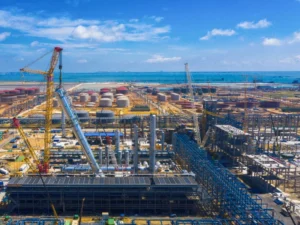
Here’s what we’ve learned. In our first refinery expansion, the “generalist” vendor didn’t know how to prep fireproofed steel for inspection. They tried shortcuts, which ended up failing the fire test. It cost us months and strained relationships on site. Since then, we only work with specialists. And our projects run smoother.
| Critical Expertise | What We Look For |
|---|---|
| Fireproofing Systems | Past intumescent project delivery |
| Tight Tolerance Fabrication | QA logs, as-built documentation |
| Hazardous Area Installation | Safety records, real life photos |
This helps prevent expensive errors and keeps our plants running safely.
Full-Service Capabilities: Do You Need More Than Just Fabrication?
Is it enough if your manufacturer can only fabricate steel—without design or installation expertise?
We learned the hard way: it’s rarely enough. Fabricators who can’t optimize for design or manage site logistics usually cause delays and confusion. For shutdowns, global logistics, and complex EPC jobs, we work only with partners who can support value engineering, digital modeling with BIM or Tekla, staged deliveries, and full export packaging.
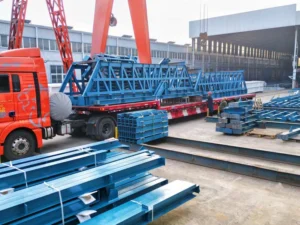
On one Middle Eastern project, we had beams stuck at port due to poor export documentation. Logistics mistakes cost us three weeks. Now, when reviewing suppliers, we ask if they can handle container optimization, customs clearance, and export packaging. We check if they offer BIM integration and digital twins—these clash checks save huge coordination headaches on site.
| Capability | Benefit |
|---|---|
| Integrated Design | Lower steel usage, cost savings |
| Sequential Delivery | Less idle time, faster setup |
| BIM/Tekla Modeling | Fewer errors, real-time checks |
| Logistics/Export Expertise | Smooth shipping, timely arrival |
If a manufacturer can’t handle the complete process, you get stuck managing multiple vendors, risking miscommunication. Full-service partners let us focus on construction, instead of chasing problems.
Quality Control: Seeing Beyond Paperwork
How can you trust your supplier’s quality—beyond what’s written in their documents?
We don’t just read QC reports—we visit the factory. On site, we check the traceability of materials, observe live NDT (ultrasonic, magnetic particle, or visual testing), and ask about welding repair rates. A mature supplier shows transparency and welcomes random inspections.
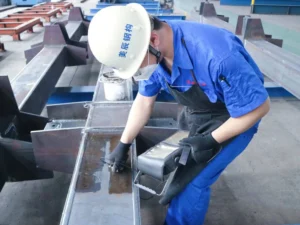
We’ve caught hidden cracks that QC paperwork missed. During a random factory visit, one weld failed our own NDT check—despite “perfect” reports. We learned to never accept paperwork at face value. Now, we ask for weld repair logs and insist repair rates stay under 3%. We also check traceability: can every beam be tracked by mill certificate from the steel supplier? Are welding repairs documented and logged?
| Quality Control Aspect | Real-World Check |
|---|---|
| Material Traceability | MTCs, physical markings |
| Onsite NDT Testing | Live demonstration, not staged |
| Weld Repair Rates | Below 3% indicates maturity |
| QC Transparency | Openness to random checks |
This diligence prevents nasty surprises. We owe it to our sites—and our clients—to check quality in person.
After-Sales Support and Warranty: Standing By Every Project
Will your supplier still help you when issues come up after delivery?
We insist on written warranties—not just for product defects, but for paint and corrosion as well. Suppliers should offer quick troubleshooting support, ideally with on-ground teams ready for installation and maintenance issues.
Early in my career, I watched paint flake off a structure in less than a year. The supplier offered no help, leaving us scrambling to repair under warranty. Now, our contracts require paint and corrosion warranties in writing. We make sure troubleshooting teams are reachable—especially for international projects.
| Support Area | What We Insist On |
|---|---|
| Paint Warranty | Written terms, real coverage |
| Local Troubleshooting | Responsive, accessible help |
| Product & Performance | Warranty not limited to defects |
This saves downtime and protects against long-term maintenance nightmares.
Price Isn’t Everything: Seeing Beyond the Lowest Bid
Is chasing the lowest price a safe strategy for steel procurement?
We’ve seen how the lowest quote usually comes with hidden extras: missing hardware, unbudgeted erection planning, touch-up paint, and site support. Our total delivered cost analysis has shown that “cheapest” bids can end up 20% more expensive after these mistakes.
We ask for a breakdown of all exclusions and added costs upfront. This means checking for bolts, washers, erection engineering drawings, touch-up materials, and onsite support. We compare line by line, not just headline prices.
| Cost Area | Hidden Extra | Typical Impact |
|---|---|---|
| Structural Hardware | Bolts/washers missing | Extra cost |
| Erection Plans/Drawings | Often excluded | Site delays |
| Touch-Up Materials | Not specified | Higher spend |
| Site Support | Unexpected charges | Budget overruns |
We focus on total delivered value, not just price—because our projects can’t afford surprises.
HSE Culture: Protecting Everyone On Site
How do you know if a manufacturer puts safety first?
We request two years of actual site safety records, including LTI (Lost Time Incident) statistics. We review lifting plans, safety manuals, and HSE certifications. The best suppliers are open about incidents and near misses—they don’t hide them.
I’ve walked factories where “zero incidents” was just a phrase. Their lifting plans were generic, and risk assessment was lax. In contrast, the reliable factories shared their safety logs and accident reports up front. We seek out partners with formal HSE programs, clear documentation, and a visible culture of safety. Their detailed response to safety planning tells us how much they value the people on our site.
| HSE Indicator | What We Expect |
|---|---|
| LTI Statistics | Real numbers, not marketing |
| Lifting Plans | Project-specific, detailed |
| HSE Certifications | Up to date, relevant |
| Incident Logs | Transparency, culture |
This keeps everyone safe—on site, and throughout the project.
Conclusion
Choosing the right steel structure manufacturer isn’t just a technical exercise; it’s a practical, relationship-driven process that protects your plant, your project, and your people. As we’ve learned, it pays to dig deep, ask tough questions, and value expertise over price. When you get it right, you build reliability—and profit—into every job.