
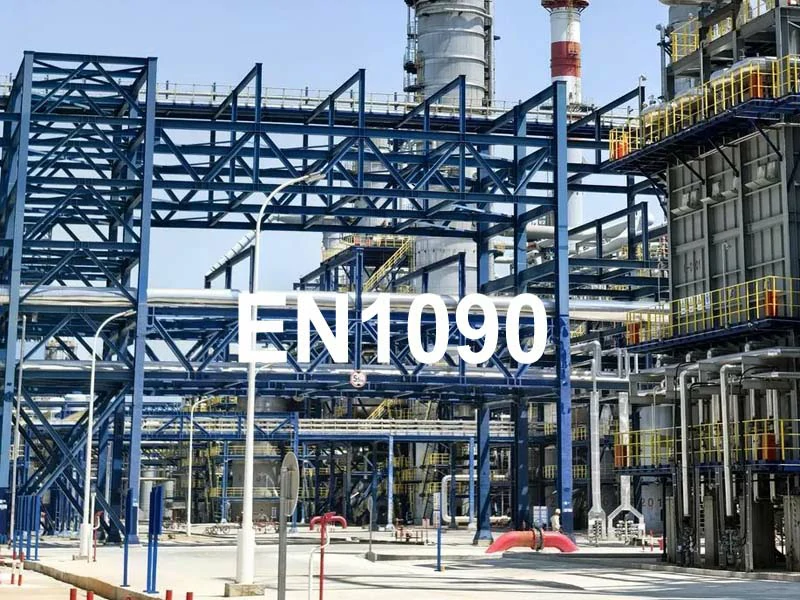
Steel structure failure in petrochemical plants can cost lives and shut down operations. We have seen what happens when standards slip—delays, disputes, and even emergencies. EN1090 certification is the baseline that stops these disasters before they start.
EN1090 means that the steel structures in petrochemical facilities are made under strict processes. It is a set of European standards that require factory controls, skilled staff, and clear documentation. When we use EN1090-certified suppliers, our projects run smoother, audits go faster, and safety risks drop. For buyers, EN1090 is a guarantee, not just another form.
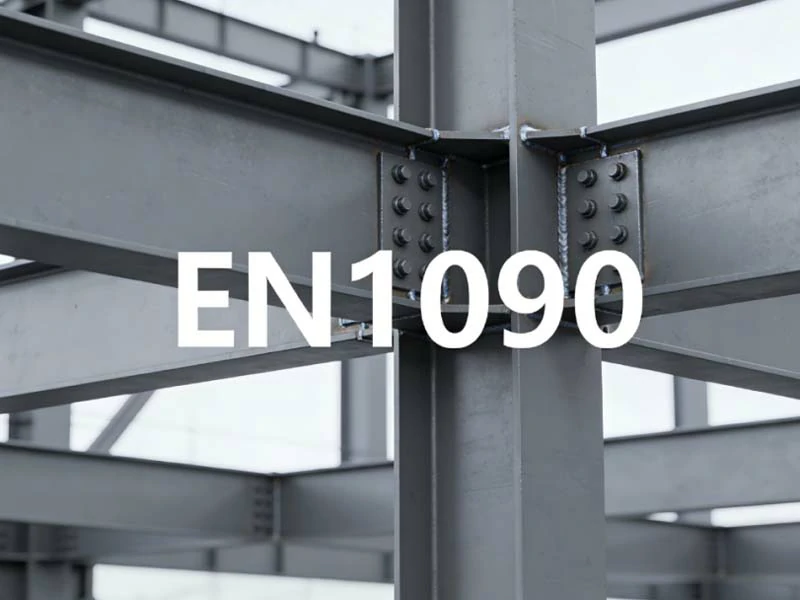
Many project leaders overlook EN1090’s full impact until they face a client audit or an insurance inspection. When I work with EPC teams, we do not simply look for a welding certificate. We check the supplier has traceable records, qualified operators, and a culture of compliance. EN1090 covers everything from buying steel to training welders, logging each step. This depth helps us stand out in bids and gives clients extra confidence.
What is EN1090 Certification—and Why Is it Important for Petrochemical Steel Structures?
EN1090 is a framework for steel and aluminum fabrication that covers sourcing, welding, inspection, and labeling. It ensures every component is made safely and can be traced later. Petrochemical plants operate in harsh, hazardous environments. The structures must withstand heat, pressure, and chemicals. EN1090 helps us prove that our steel can do the job—every time.
EN1090 Standards Breakdown
There are three main standards under EN1090:
- EN 1090-1: Requirements for conformity assessment for structural components. This is where CE marking comes in, which shows compliance and allows structures to move freely across EU borders.
- EN 1090-2: Technical requirements for the execution of steel structures. This standard details everything about welding, assembly, inspection, and maintenance for steel.
- EN 1090-3: Technical requirements for the execution of aluminum structures. This standard covers design and execution rules specifically for aluminum components.
EN1090 Execution Classes
EN1090 also defines four execution classes, which are important because each project must use the right class for its structural needs. These classes focus on the engineering effort and the consequences of structural failure:
| Execution Class | Description | Typical Example |
|---|---|---|
| EXC 1 | Steel up to S275 or aluminum, simple structures, agricultural buildings | Small sheds, farm buildings |
| EXC 2 | Most common; steel up to S700, supporting structures | Industrial platforms, standard frames |
| EXC 3 | Complex; steel up to S700 & aluminum, major supporting structures | Petrochemical plants, bridges |
| EXC 4 | Critical structures with high consequences for people/environment on failure | Nuclear structures, large stadium roof |
EN1090 in Practice
| Step | EN1090 Requirement | Impact on Project |
|---|---|---|
| Material Sourcing | Source verified steel; trace materials | Prevents weak points |
| Welding Operations | Use certified welders; record procedures | Maintains safety |
| Production Control | Log every stage; set production checks | Avoids defects |
| Final Inspection | Label & trace parts; save audit files | Eases maintenance |
When we build a new unit or expand a plant, EN1090 means we have records for every beam and frame. If regulators ask, we show them. If a part needs replacing, we pull up the specs. It turns compliance from a headache into a routine.
What sets EN1090 apart is its focus on systems—not just paperwork. The standard demands documented factory controls, staff qualifications, and continuous improvement. This creates habits in our team. I have seen how a good EN1090 audit changes behavior. People become more careful, managers stay alert, and everyone knows the stakes.
How Does EN1090 Certification Help in Procurement and Compliance?
The market for petrochemical contracts is unforgiving. One bad supplier can cause costly delays or regulatory fines. EN1090 gives us leverage. When we choose certified vendors, we eliminate many risks before they grow.
Large buyers and EPC leaders use EN1090 as a filter. If a supplier lacks valid certification, they lose the bid. We have seen competitors try shortcuts—borrowing certificates or partnering with certified companies. These tricks do not fool regulators. When they are caught, contracts end and reputations suffer. We always verify documents through official channels and ask for recent audit reports.
EN1090 Integration with Other Standards
EN1090 also makes compliance easier. Most petrochemical projects need EN1090, ISO 3834 for welding, and ISO 9001 for quality management. When our suppliers have all three, we match audit cycles, streamline paperwork, and avoid repeat inspections. I encourage our teams to show clients how our systems link together. This builds trust and makes audits go quickly.
| Certification | Purpose | What We Check |
|---|---|---|
| EN1090 | Structural fabrication | Factory controls, traceability |
| ISO 3834 | Welding quality | Procedures, welder qualifications |
| ISO 9001 | Quality management | Documented processes, improvement |
When we present our compliance history, clients see our commitment. It is not just paperwork, but a lived process. We encourage suppliers to develop staff and improve management, so certification is natural—not rushed just before an audit.
How Does EN1090 Certification Increase Lifecycle Value for Petrochemical Plants?
Long-term, EN1090 makes maintenance and upgrades simple. Every part is traceable. When something wears out or needs inspection, we find the documentation right away. This saves hours, reduces mistakes, and lowers costs.
Insurance companies like predictable performance. They know EN1090 builds safer structures, so they often reduce premiums. Downtime drops because repairs are more efficient and replacement parts are easier to identify. Over the years, this adds up.
Regulators in Europe and the Middle East check for EN1090 certification. We never scramble to collect paperwork or chase down missing files. Our clients know their permits and approvals will not be delayed. In my experience, EN1090 also clarifies warranty claims and upgrades. When we expanded a refinery, clear records helped resolve disputes quickly.
Lifecycle Benefits
| Benefit | EN1090 Contribution | Real-World Impact |
|---|---|---|
| Maintenance | Traceable parts/documents | Quick repairs, lower costs |
| Insurance | Predictable performance | Lower premiums, less downtime |
| Regulatory Approval | Detailed documentation | Faster permits, smoother audits |
| Owner Upgrades | Record clarity | Easy expansion, dispute resolution |
I have seen how plants that follow EN1090 run better and cost less to maintain. Owners appreciate the stability. When they want to make upgrades or expand, the paperwork and records make everything faster. EN1090 is not just for initial construction—it protects value for years.
Conclusion
EN1090 certification—and understanding the right execution class—is the foundation for safe, efficient, and compliant petrochemical steel structures. It helps us avoid risk, simplify procurement, meet legal requirements, and build lasting value for every project. By sharing our experience and insisting on proper standards, we keep costs in check, improve safety, and help the industry move forward.